SONJA
  • Home
  • Research
  • Extra projects
    • Art
    • Education
  • Publications
  • CV
  • Contact

SONJA REPETTI (she/her)
MSc, PhD Researcher

Research

2023-present: Evolving: Microalgal responses to salinity change, and closing the gap between the public and ‘algae’
PhD research project currently under way! 
Climate change calls for adaptation. Organisms must adapt to ecosystems changed by many complex environmental drivers, while humans will also need to adapt their thinking and behaviours in response to a climate-changed world.
The aim of my study is to integrate transcriptomic and phenotypic analysis of algae to clarify their responses to changing salinity, while at the same time to understand and influence human-algal relationships through novel artistic and communication methods.
  • Supervisors: Dr Aleksandra Lewandowska, Dr Jaanika Blomster, Dr Jose A. Cañada
  • Collaborators: A/Prof. Heroen Verbuggen (University of Melbourne), Thorbjørn Barone (MSc [biotechnology], sculptor), James Weiss (videographer), Pauliina Lahti (AR artist), Prof. Julia Lohmann (Aalto University), Joey Holder (MFA, artist), Centre for the Social Study of Microbes
Funded by KONE Foundation, Wiipurilaisen Osakunnan Stipendisäätiö, Vuokon Luonnonsuojelusäätiö, HELSUS, & University of Helsinki (LUOVA)

​2021: Battle in the Brine
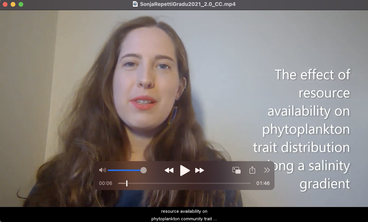
Master's thesis research project looking at the effect of nutrient availability (N:P and light) on phytoplankton trait distribution (stoichiometry, nutrient uptake, growth rate, maximum fluorescence and chlorophyll content) and competition outcomes along a salinity gradient.
  • Under the supervision of Iris Orizar and Dr Aleksandra Lewandowksa.
To read my master's thesis, see: Publications

2019: A Little Bit of Green
  • Honours research project, in the lab of Heroen Verbruggen at the University of Melbourne in the School of Bioscience, under the supervision of Dr Verbruggen and Dr Chris Jackson.
  • Project: Genome dynamics in green algae (Chlorophyta)
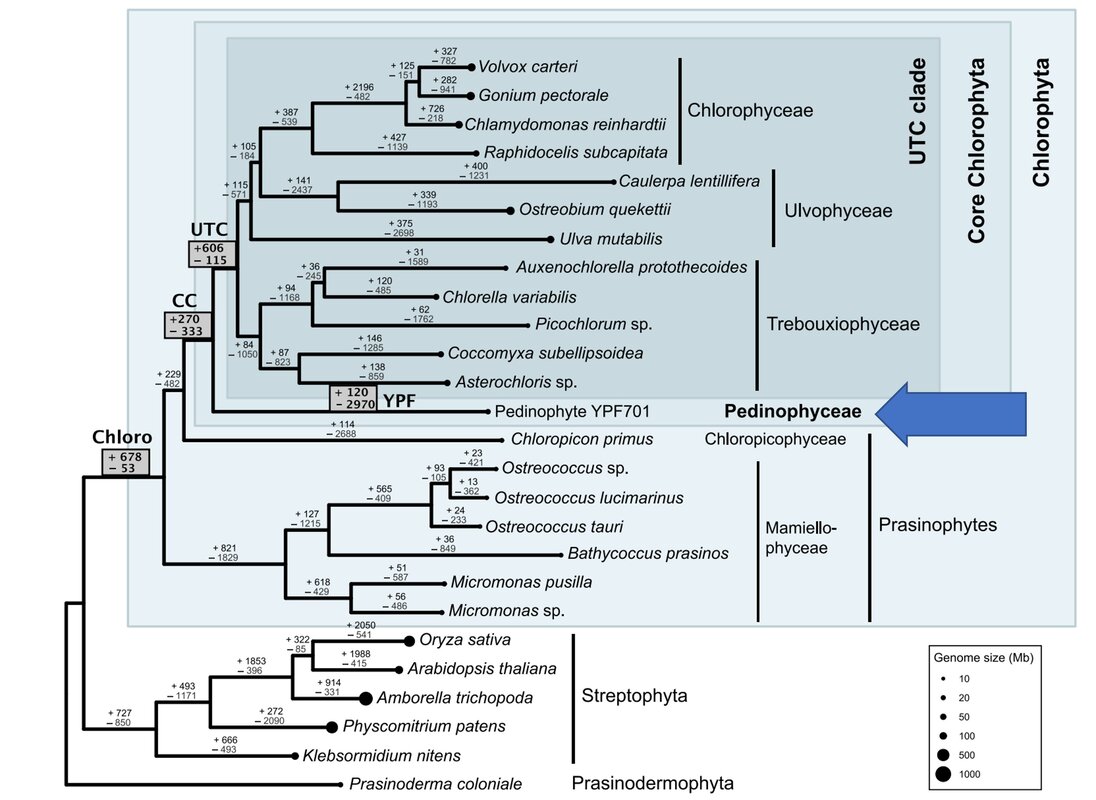
    • Chapter 1 – Microalga in the middle: the nuclear genome of Pedinophyte YPF701
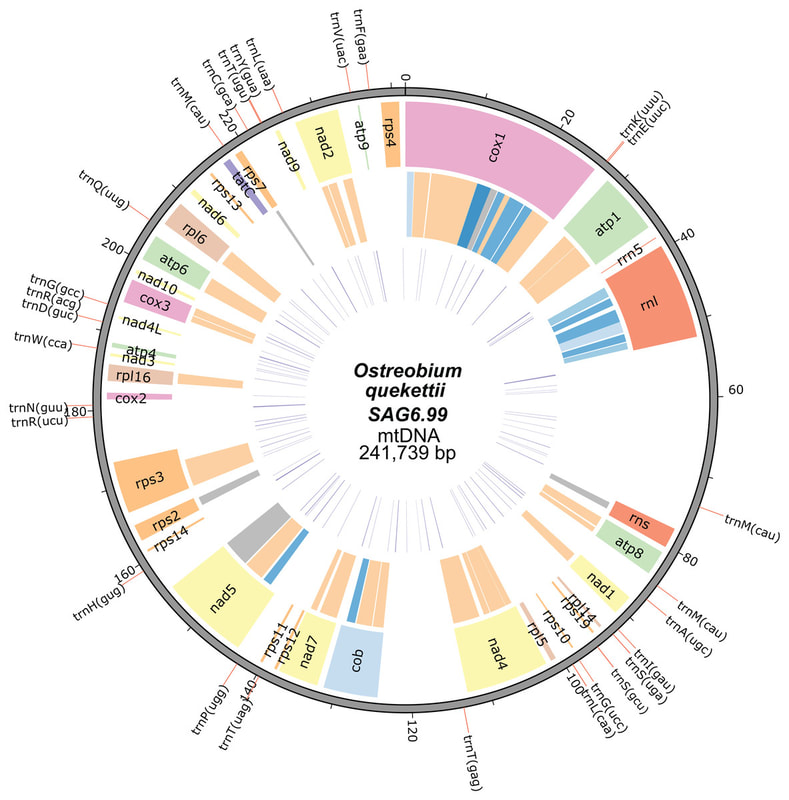
    • Chapter 2 – An uneconomical genome: the complete mitochondrial genome sequence of Ostreobium quekettii SAG 6.99
To read my honours thesis, and related publications, see: Publications

2019: Putative agarose-producing genes
  • Research assistant
  • Project: Industrial-scale agarose production using bioengineered yeast.
  • Funded by The University of Melbourne Biosciences Seed Funding Scheme.
  • Supervisors: Dr Heroen Verbruggen, Dr Joshua Heazlewood.
  • Examination of putative agarose-producing genes in red seaweeds: phylogenetic examination, and gene expression analysis using Geneious and RaxML

2018: Lepidodinium plastid-targeted genes
  • Research project, in the lab of Heroen Verbruggen at the University of Melbourne in the School of Bioscience, under the guidance of Dr Verbruggen and Dr Chris Jackson.
  • Project: Identifying the genetic footprint of how microbial symbiosis became permanent: Searching for targeting signal in Lepidodinium genes implicated in enslaving secondary green plastids
  • Completed for the Australian Society for Microbiology VIC Branch Summer Student Research Awards 2018​

2017: Plastid targeting in Chrysoparadoxa australica
  • Research project, in the lab of Heroen Verbruggen at the University of Melbourne in the School of Bioscience, under the guidance of Dr Verbruggen, Dr Richard Wetherbee and Dr Chris Jackson.
  • Project: Investigating phylogenetic affinities and plastid targeting in a newly identified heterokont.
Picture

Click the thumbnail to watch a 2 minute video about my master's thesis research (Battle in the Brine)
Picture

The inflated mitochondrial genome of ​green seaweed  Ostreobium queketii 

Picture

Predicted gains and losses of protein families across the tree of green lineages including a newly sequenced pedinophyte, a small class of green algae sister to the Core Chlorophyta
Picture

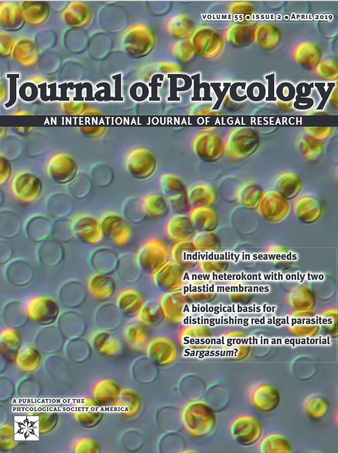
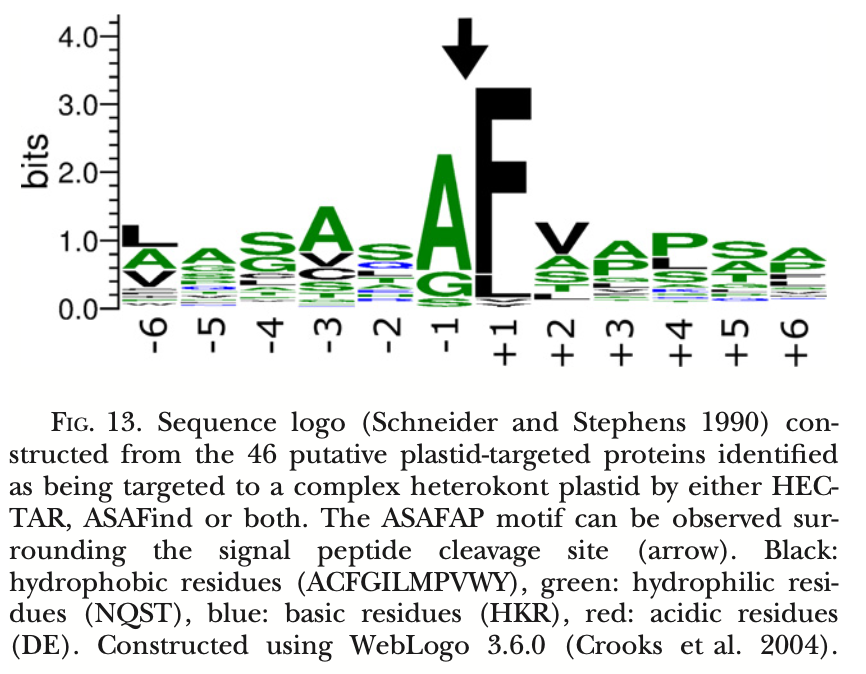
Crysoparadoxa australica is a heterokont with only two plastid membranes, rather than the typical four, although proteins targeted to its plastid still show evidence of a canonical diatom plastid targeting signal:
Picture
Powered by Create your own unique website with customizable templates.
  • Home
  • Research
  • Extra projects
    • Art
    • Education
  • Publications
  • CV
  • Contact